
Notebook Entry ...Mysterious Marlow
Home to The Marlow Murder Club TV mystery series, Marlow is a pretty little Georgian market town on the river Thames in Buckinghamshire. Famous for its landmark suspension bridge that connects it to Bisham in Berkshire on the opposite bank of The Thames, this crossing made it into the very fashionable and indeed photogenic riverside resort it is today.
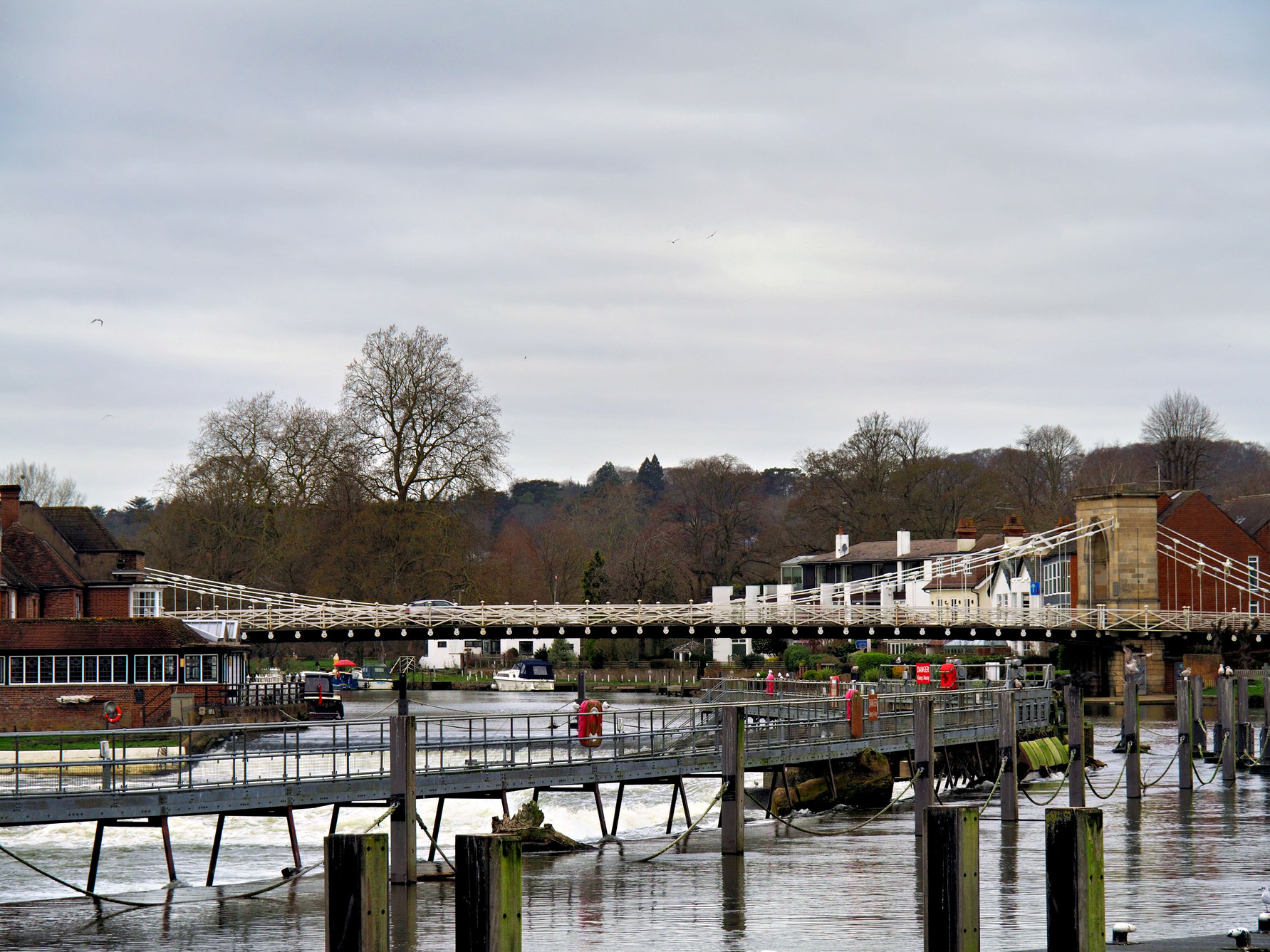
The Marlow Suspension Bridge is a Grade I listed structure designed by William Tierney Clark, it was completed in 1832 and is notable for its very early suspension bridge design. Seen here from the pontoons and walkways below the weir. The bridge is currently (as of March/April 2026) continuing to undergo an extensive programme of structural restoration.
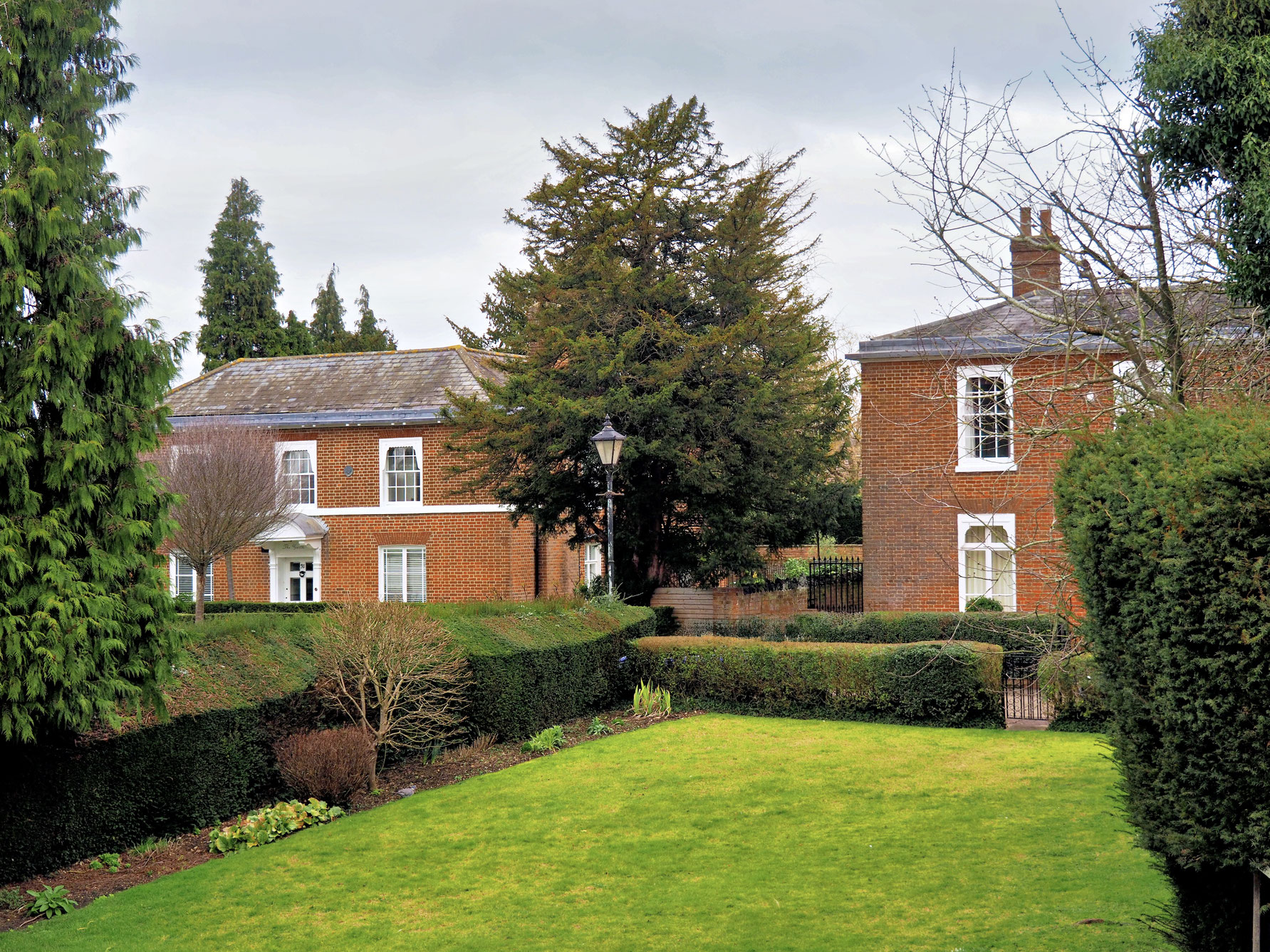
Many examples of Georgian architecture are to be found throughout the town as you wander about the place. Some notably well preserved examples are to be found in the quieter back streets. I find them particularly photogenic.
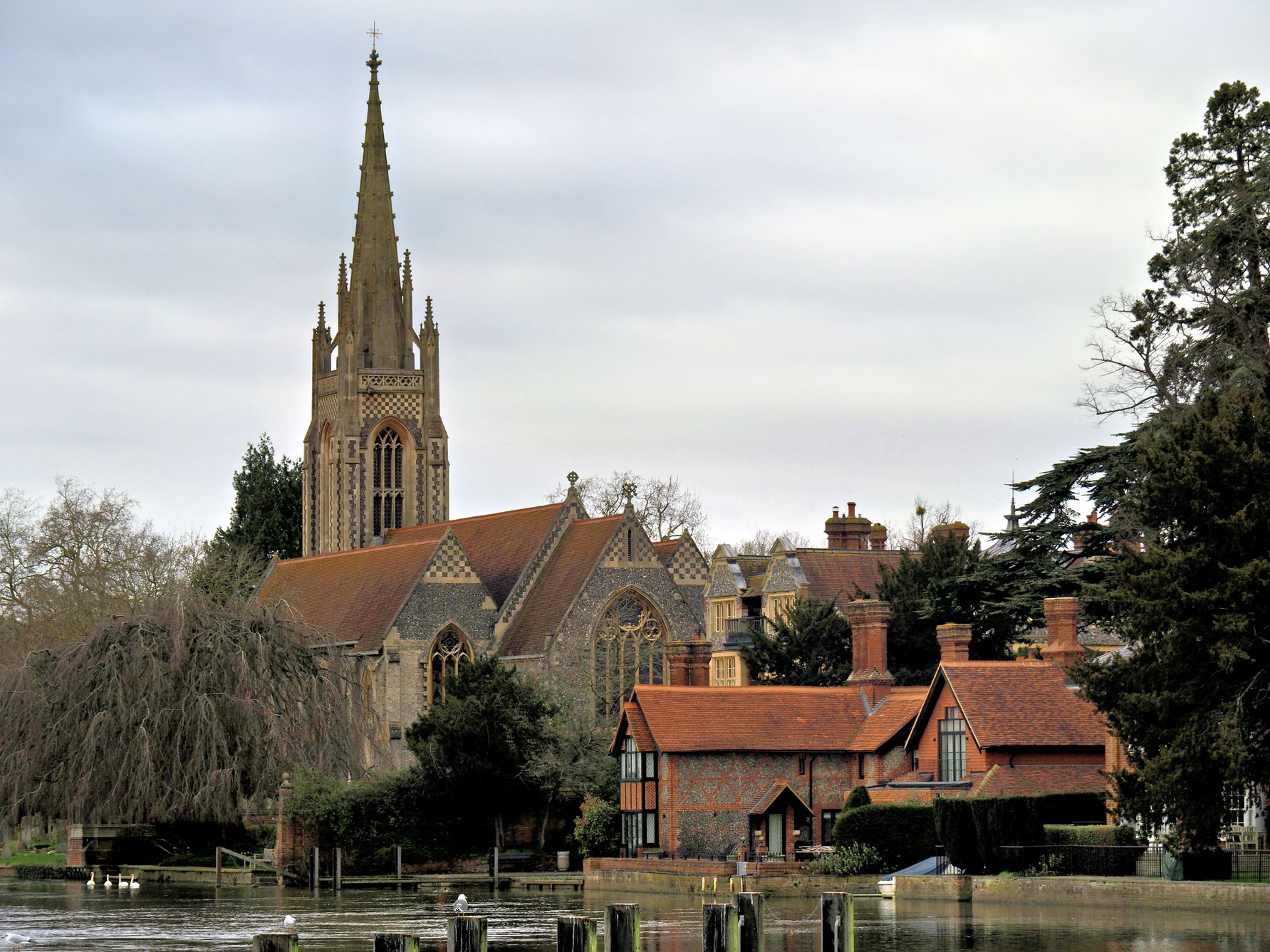
All Saints Church, situated right on banks of the Thames, is a Grade II listed building that was built in two distinct phases: Inwood's pre-Victorian brick body built from 1832 to 1835 and Scott's late Victorian flush work tower and spire built from 1875-6. It is designed in a loosely Perpendicular style which again makes it particularly attractive to photograph.
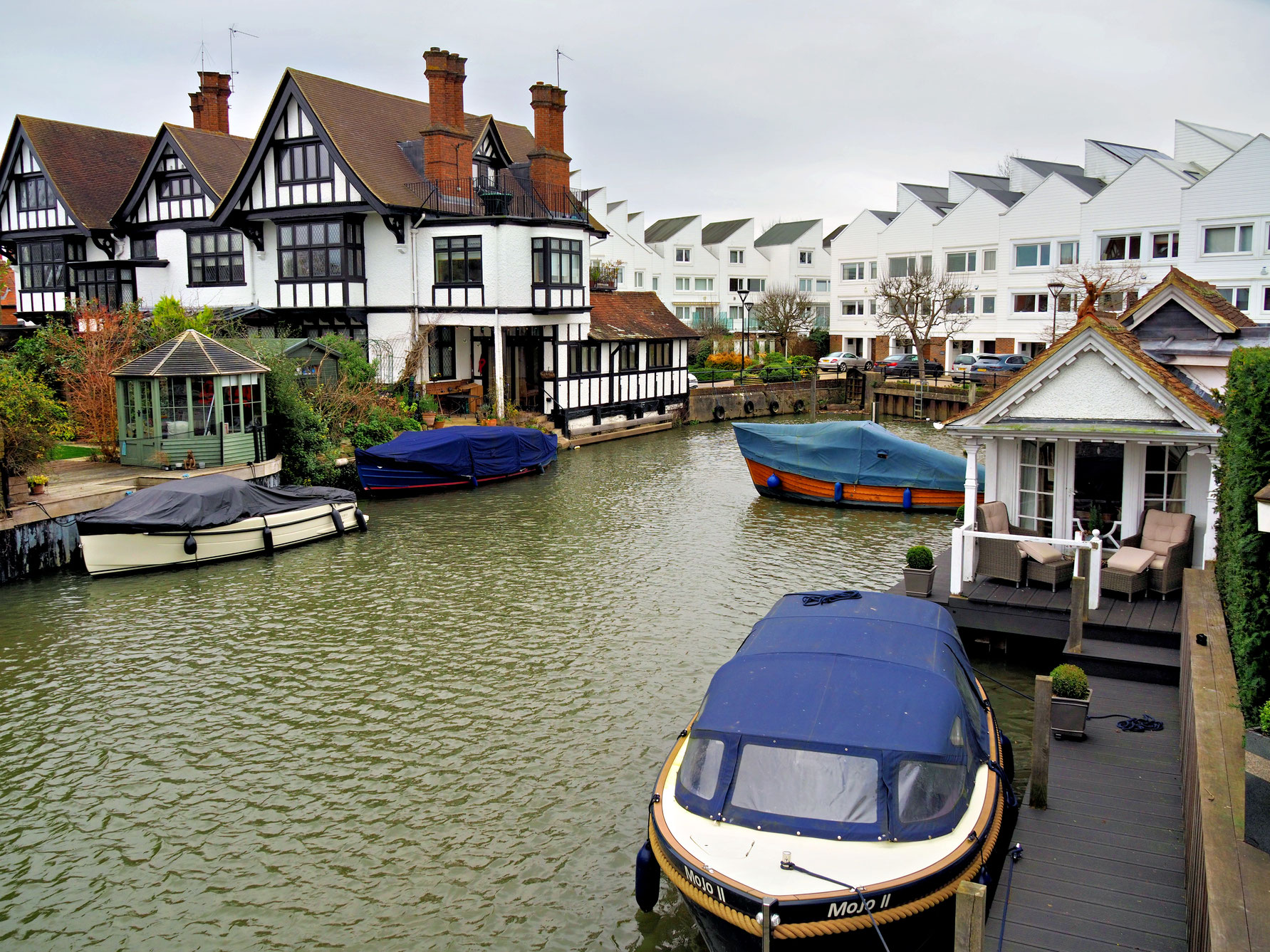
Marlow and The Thames are intimately interlinked, as are indeed the old and the new buildings. Yet the architectural styles seem to hold together in a weird sort of way, maybe the water being the harmonising factor.

Marlow's original prosperity was brought about by the Knights Templar who had a house at nearby Bisham just across the water. They built the first bridge over the River Thames here. The Lock itself was built as a timber (fir wood) pound lock in 1773 and reconstructed in stone in 1825. In that same year, a new lock was built alongside the old one which was filled in. A private house now sits on the site of the original lock. The new lock was rebuilt by the Thames Conservancy in 1927 and it's this lock we see here today. There is also the weir at Marlow Lock which stretches above the lock. The weir at Marlow is recorded in Domesday book.
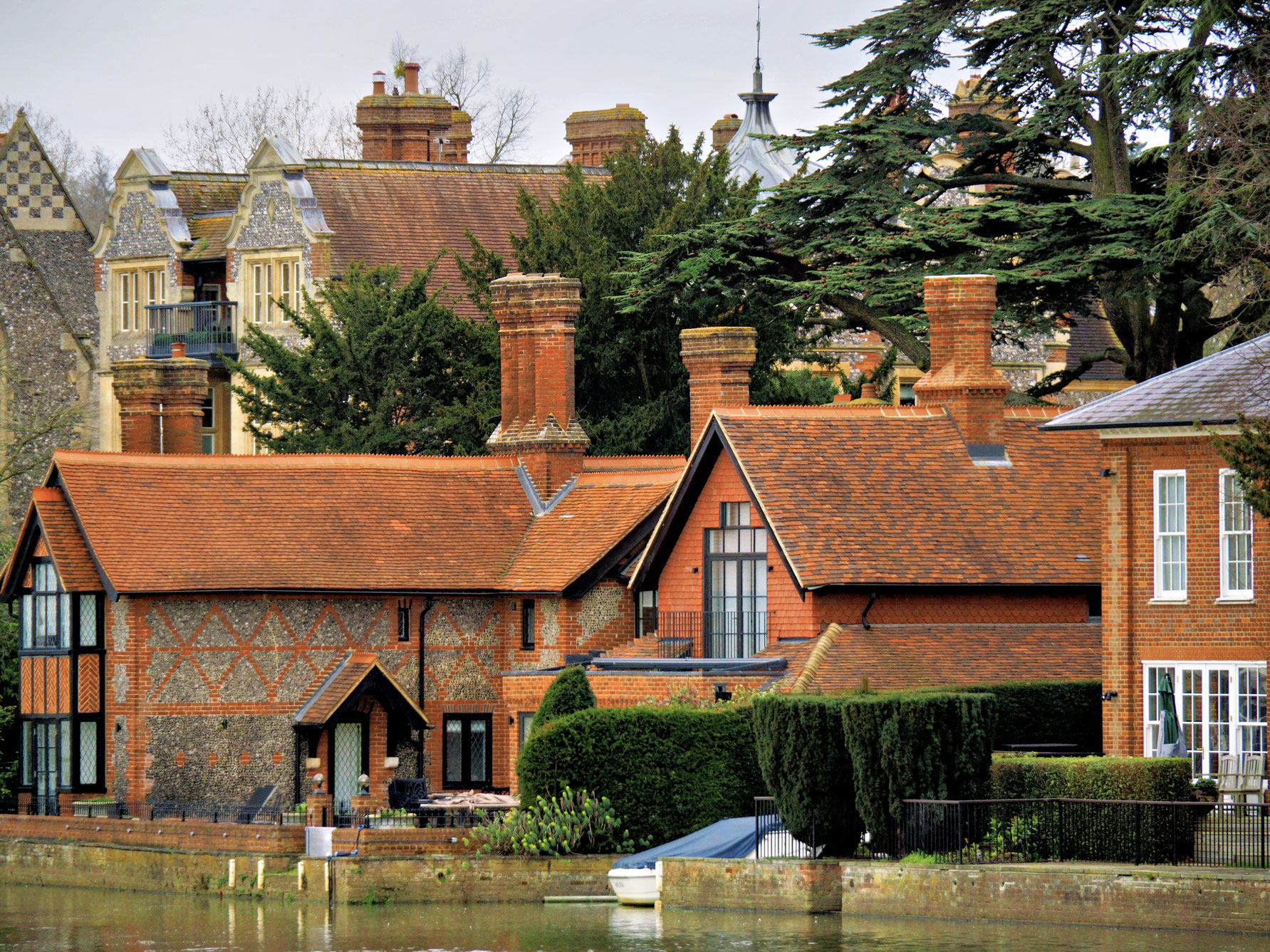
What caught my eye in this composition were the chimneys both in foreground building and those in the background. I also liked the pagoda style roof at the top of the picture that brought both interest and helped balance the dynamics of the upper roofline. I also loved the diamond patterned brickwork within the flint walls in the house front left.

Interestingly, all these pictures were made with my ten year old Olympus Pen-F which is still more than capable of producing lovely quality images and providing a great user experience to boot. This really is a photographer's camera, perfect for my style of photography. Now, my dear friends at OM System, give us the Pen-F II we've all been clamouring for. Please, please, please, you know you want to. Yes you do!