
Notebook Entry ...Darkness
With the clocks having now gone back an hour last Sunday marking the end of British Summer Time and as we head into the dark days before Christmas, now is the time to sharpen up our skills in nighttime photography. Heading out, camera in hand, into the darkness 🎃!
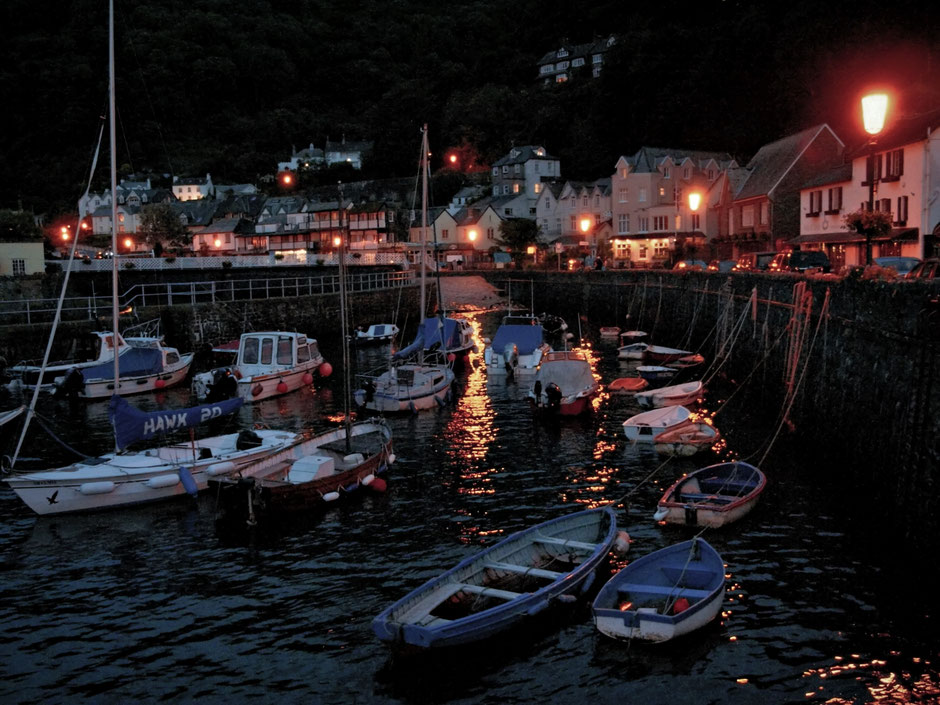
As the days shorten and the nights draw in many of us tend to hibernate photographically speaking, myself included, and I for one need to be reminded that nighttime photography provides some unique opportunities to make some great pictures.
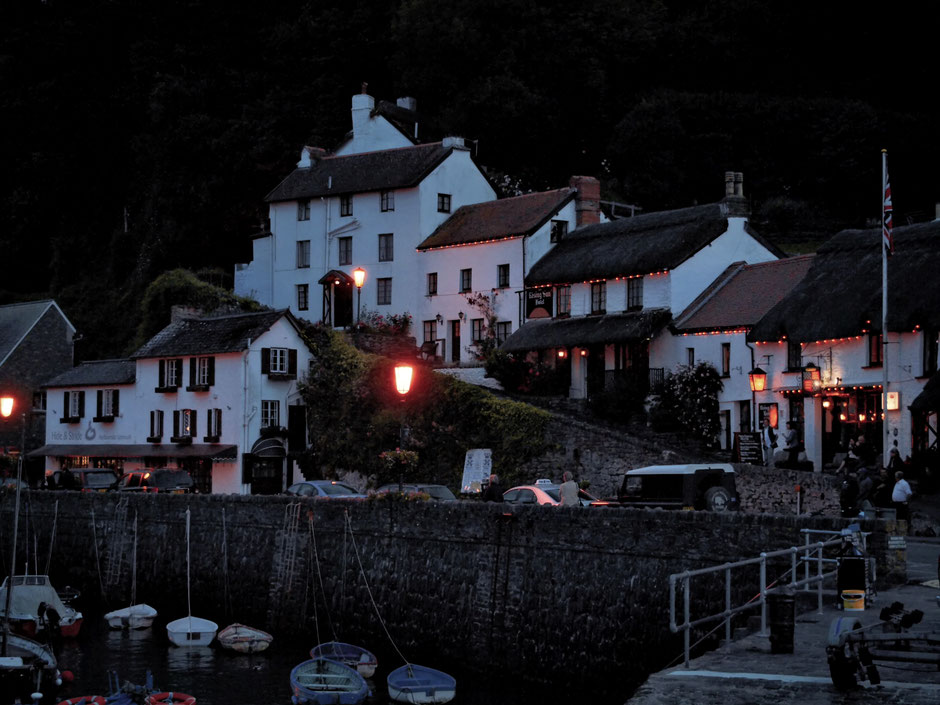
Thus it is time to wrap up warm, dig out your faster lenses so that you can work at the lowest ISO settings possible to squeeze out the best possible image quality from your kit and head out into night.

For the really dark areas where you need to watch where you place your feet or where you want to inspect your kit a torch is advisable but maybe a red light one so as to preserve your night vision in really dark conditions e.g. when snapping the stars in a dark sky?
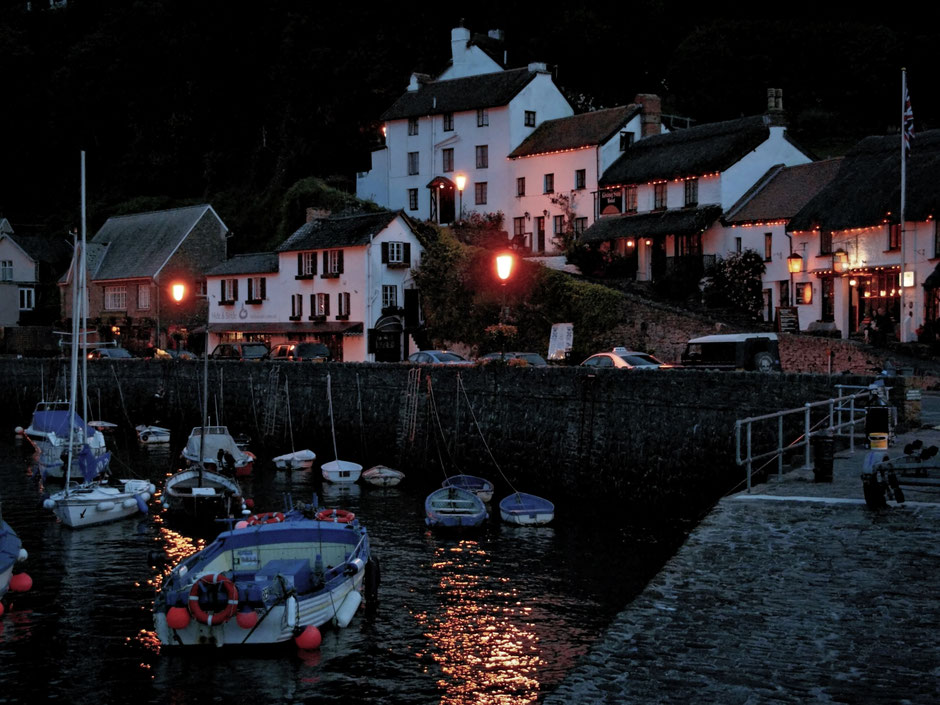
Sometimes the area you are photographing is partially lit with pools of light but the spot you photographing from is in complete darkness, then an ordinary white light torch may be fine to find your way around. Remember with a digital camera it can "see" a lot more of the scene than the human eye can and make images seem more "daylight" than they actually are to us humans fumbling in the dark with our less sensitive eyes.
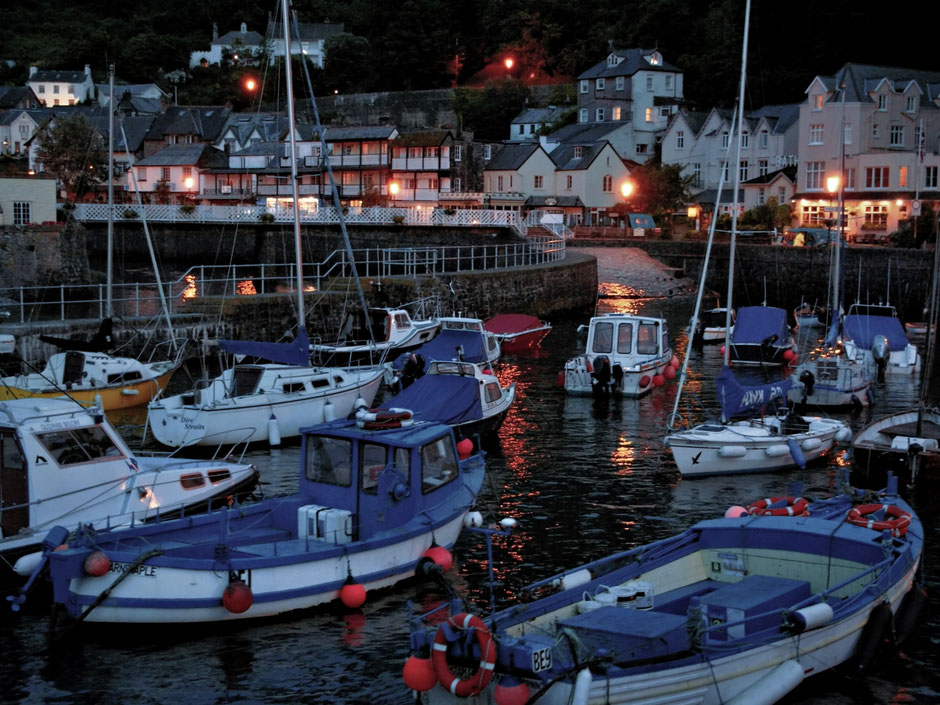
Finally, I tend to use fast primes to gather as much light as possible onto the sensor so as to use the lowest ISO possible and I use the camera's IBIS stabilisation allowing me uses shutter speeds down to as low as 1 second so I can work hand held, I set the camera to auto ISO and matrix metering but watch the histogram to try and balance the extremes of deep shadows verses blown highlights especially if the camera has been forced to choose a high ISO that reduces dynamic range as a consequence.
As in everything compromises have to be made and I always take into account the exposure triangle of aperture, shutter speed and ISO and have in mind balancing their impact upon depth of field, wobble and noise as I compose and make the photograph. The results can be edifying.